

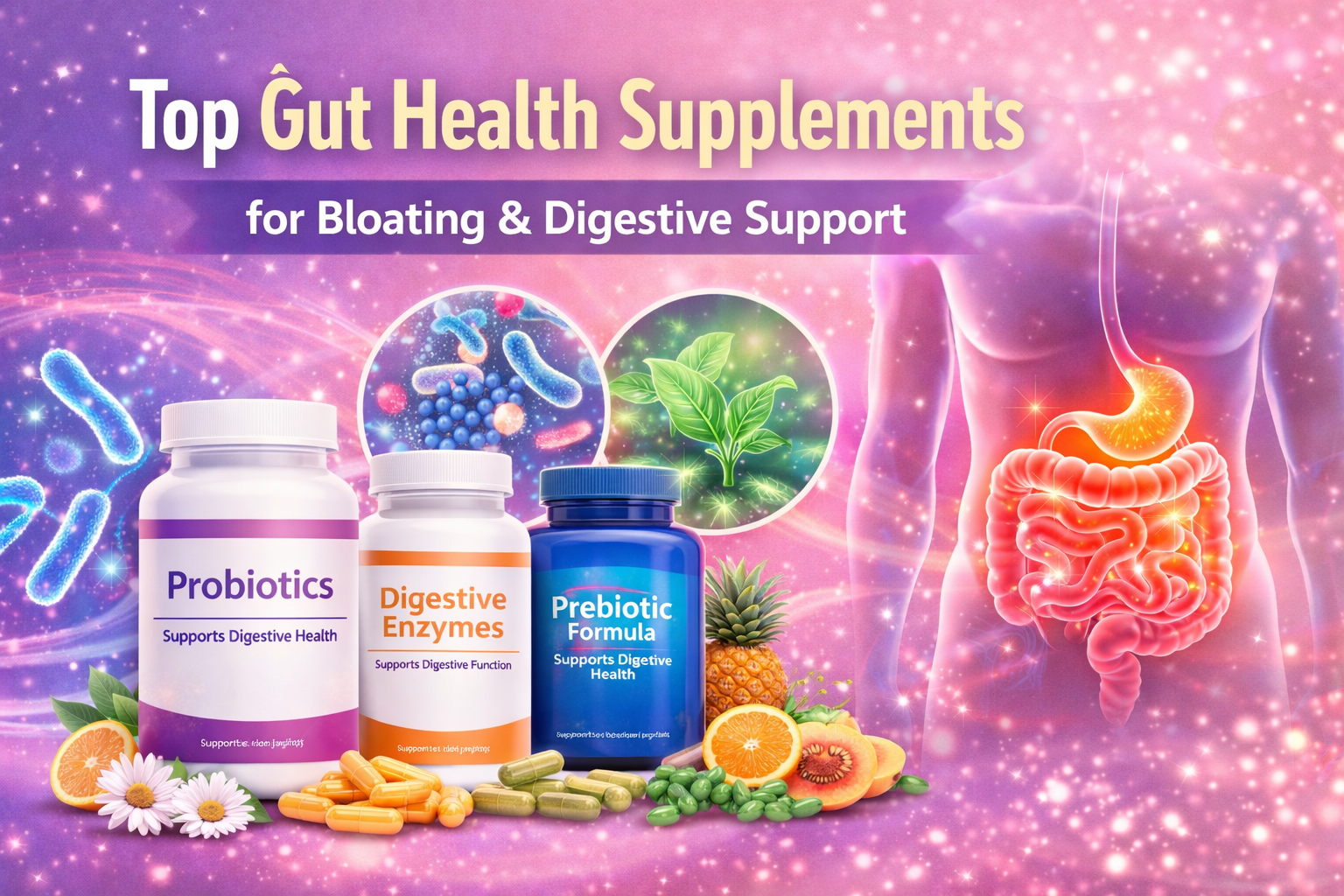
Digestive discomfort is one of the most common health concerns today. Many people experience symptoms such as bloating, gas, irregular bowel movements, and stomach discomfort due to poor diet, stress, or imbalanced gut bacteria. Supporting the digestive system with the right gut health supplements can significantly improve overall wellness.
Gut health plays a major role in digestion, immunity, nutrient absorption, and even mental health. When the gut microbiome becomes imbalanced, it can lead to digestive problems and inflammation throughout the body. Fortunately, several natural supplements are designed to restore gut balance and relieve common digestive issues.
This guide explores the top gut health supplements for bloating and digestive support, how they work, key ingredients to look for, and how to choose the right supplement for better digestive health.
Why Gut Health Is Important
The gut microbiome contains trillions of bacteria that play an essential role in digestion and overall health. These microorganisms help break down food, absorb nutrients, regulate immune responses, and protect against harmful pathogens.
When the balance between beneficial and harmful bacteria is disrupted, it can cause several digestive problems, including:
- Bloating
- Gas and stomach pressure
- Constipation
- Diarrhea
- Acid reflux
- Food sensitivities
Maintaining a balanced gut microbiome helps improve digestion and reduces these uncomfortable symptoms.
Common Causes of Bloating and Digestive Problems
Before choosing supplements, it is helpful to understand the common causes of digestive discomfort.
Poor Diet
Highly processed foods, excessive sugar, and low fiber intake can negatively impact gut bacteria and digestion.
Stress
Chronic stress affects gut motility and disrupts the balance of digestive bacteria.
Antibiotic Use
Antibiotics kill harmful bacteria but can also destroy beneficial gut bacteria, leading to digestive imbalance.
Food Intolerances
Certain foods such as dairy, gluten, or artificial additives may trigger digestive symptoms in sensitive individuals.
Lack of Probiotics
Without enough beneficial bacteria, digestion may become inefficient and lead to bloating or irregular bowel movements.
Gut health supplements help restore microbial balance and support the digestive system.
Top Gut Health Supplements for Bloating and Digestive Support
Several types of supplements are specifically designed to improve digestion and gut microbiome health.
1. Probiotic Supplements
Probiotics are one of the most popular and effective gut health supplements. They contain beneficial bacteria that help restore balance in the digestive system.
Probiotics help by:
- Supporting healthy gut bacteria
- Improving digestion
- Reducing bloating and gas
- Enhancing nutrient absorption
- Supporting immune function
Common probiotic strains include:
- Lactobacillus acidophilus
- Lactobacillus rhamnosus
- Bifidobacterium bifidum
These bacteria support both digestive health and immune function.
Regular probiotic supplementation can significantly improve gut microbiome balance and reduce digestive discomfort.
2. Prebiotic Fiber Supplements
Prebiotics are non-digestible fibers that act as food for beneficial gut bacteria.
Unlike probiotics, which introduce beneficial bacteria, prebiotics help existing bacteria grow and thrive.
Benefits of prebiotics include:
- Supporting probiotic growth
- Improving digestion
- Reducing bloating
- Enhancing gut microbiome diversity
Common prebiotic ingredients include:
- Inulin
- Chicory root fiber
- Fructooligosaccharides (FOS)
Prebiotics work best when combined with probiotics in synbiotic supplements.
3. Digestive Enzymes
Digestive enzymes help break down carbohydrates, fats, and proteins in food. Some people produce insufficient digestive enzymes, which can lead to bloating and indigestion.
Digestive enzyme supplements help improve digestion by supporting the breakdown of food components.
Common digestive enzymes include:
- Amylase – breaks down carbohydrates
- Protease – breaks down proteins
- Lipase – breaks down fats
- Lactase – helps digest lactose in dairy products
People who experience bloating after meals may benefit from digestive enzyme supplements.
4. L-Glutamine
L-Glutamine is an amino acid that plays an important role in maintaining the integrity of the intestinal lining.
This supplement helps:
- Support gut lining repair
- Reduce intestinal inflammation
- Improve nutrient absorption
- Support digestive health
L-Glutamine is often used in protocols designed to support gut healing and restore digestive balance.
5. Ginger Supplements
Ginger has been used for centuries as a natural remedy for digestive discomfort. It supports digestion by stimulating digestive enzymes and improving gut motility.
Benefits of ginger supplements include:
- Reduced bloating
- Improved digestion
- Reduced nausea
- Enhanced stomach emptying
Ginger is particularly helpful for individuals experiencing slow digestion or post-meal bloating.
6. Peppermint Oil Capsules
Peppermint oil is commonly used to relieve digestive discomfort and bloating.
Enteric-coated peppermint oil capsules release the active compounds directly in the intestines, helping reduce digestive spasms.
Benefits include:
- Reduced bloating and gas
- Relief from stomach cramps
- Improved digestive comfort
Peppermint oil is often recommended for individuals experiencing symptoms of irritable bowel syndrome.
7. Magnesium Supplements
Magnesium supports muscle relaxation throughout the body, including the digestive tract.
It helps regulate bowel movements and prevent constipation.
Benefits include:
- Improved bowel regularity
- Reduced digestive discomfort
- Support for intestinal muscle function
Magnesium citrate and magnesium glycinate are commonly used forms.
Key Ingredients to Look for in Gut Health Supplements
When selecting a gut health supplement, consider several important factors.
High-Quality Ingredients
Choose supplements made with natural, high-quality ingredients without artificial additives.
Avoid products containing excessive fillers, artificial colors, or preservatives.
Multiple Gut-Supporting Compounds
Some of the best supplements combine probiotics, prebiotics, and digestive enzymes to support digestion from multiple angles.
This combination helps:
- Restore gut bacteria
- Improve digestion
- Support nutrient absorption
Clinical Dosages
Effective supplements contain ingredients in clinically supported doses to ensure effectiveness.
Third-Party Testing
Look for supplements that undergo independent testing for quality and purity.
Third-party verification ensures that products contain the ingredients listed on the label.
Natural Ways to Improve Gut Health
While supplements can support digestive health, lifestyle habits also play a major role.
Eat More Fiber
Fiber supports healthy digestion and feeds beneficial gut bacteria.
Good sources include:
- Vegetables
- Fruits
- Whole grains
- Legumes
Stay Hydrated
Drinking enough water supports digestion and prevents constipation.
Reduce Processed Foods
Highly processed foods can negatively affect gut bacteria and digestion.
A whole-food diet helps maintain a balanced microbiome.
Manage Stress
Stress affects the gut-brain connection and can trigger digestive issues.
Practices such as meditation, exercise, and proper sleep can improve gut health.
Include Fermented Foods
Fermented foods naturally contain probiotics that support digestive health.
Examples include:
- Yogurt
- Kefir
- Sauerkraut
- Kimchi
- Kombucha
These foods can complement gut health supplements.
Who Should Consider Gut Health Supplements?
Gut health supplements may benefit individuals who experience:
- Frequent bloating
- Gas and digestive discomfort
- Constipation or irregular digestion
- Poor nutrient absorption
- Food sensitivities
- Digestive issues after antibiotics
Supporting gut health can significantly improve digestive comfort and overall wellness.
Are Gut Health Supplements Safe?
Most gut health supplements are considered safe when taken according to recommended guidelines.
However, some individuals may experience mild digestive adjustments when first starting supplements.
Possible temporary symptoms include:
- Mild gas
- Bloating
- Changes in bowel movements
These effects usually subside as the gut microbiome adjusts.
Individuals with medical conditions should consult a healthcare professional before starting new supplements.